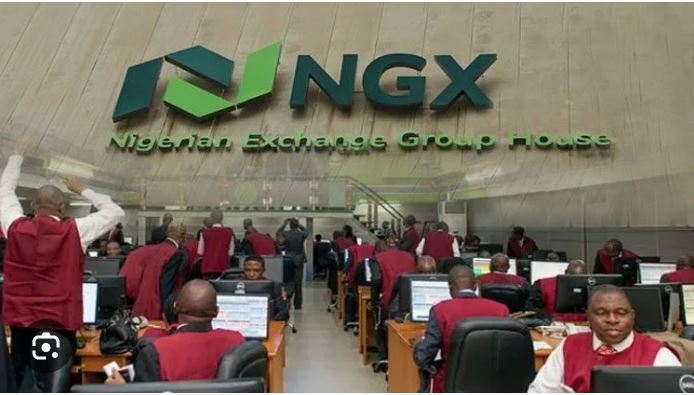
The Nigerian Exchange (NGX) has received a significant vote of confidence, with FTSE Russell confirming Nigeria’s return to Frontier Market status from September 21, 2026. The decision reverses the country’s relegation to “Unclassified” status in 2023, when foreign-exchange liquidity problems, difficulties in repatriating investment proceeds, and concerns about market accessibility made Nigeria increasingly unattractive to international institutional investors.
For the Nigerian bourse, this is no ordinary classification change. It represents the restoration of international recognition after a bruising period in which investors were confronted with an unpredictable currency market, difficulties obtaining foreign exchange, and uncertainty over taking their money out of the country. The damage went beyond an index label. It weakened confidence in Nigeria as an investment destination and exposed the structural deficiencies of a capital market operating far below the potential of Africa’s largest economy.
The latest decision is particularly encouraging because FTSE Russell subjected Nigeria’s transition from T+2 to T+1 settlement to additional scrutiny. International investors had feared that the shorter settlement period could create a de facto requirement to pre-fund transactions. Following engagements involving the NGX Group, Securities and Exchange Commission (SEC), global custodians, and other market participants, FTSE Russell found no material settlement, operational, or funding problems.
Nigeria’s return places it among recognised Frontier Markets, alongside countries including Kenya, Mauritius, Morocco, Romania, Sri Lanka, and Bangladesh. More instructively, Vietnam is graduating from Frontier to FTSE Russell’s Secondary Emerging Market category on the same September 21 date. This comparison should temper the celebration. Nigeria must not regard returning to a category it previously occupied as the summit of achievement. Emerging Market status should be the next destination.
NGX Group Chief Executive Temi Popoola is therefore right to emphasise that the significance of the development lies beyond the classification itself. Renewed international visibility must translate into broader investor participation, deeper liquidity, and more capital for Nigerian businesses. This is where the real work begins. Government must preserve the foreign-exchange reforms that helped restore market accessibility, ensure that legitimate investment proceeds can be repatriated efficiently, and maintain predictable economic policies.
The SEC and NGX must continue strengthening market infrastructure, disclosure, corporate governance, investor protection, and settlement efficiency. More sophisticated products, securities lending, derivatives, and effective market-making mechanisms should be developed to deepen liquidity. Nigeria must also bring more major enterprises to the exchange. Its enormous pension and insurance funds should be mobilised more effectively for productive investment, while global institutional investors should be deliberately courted.
Credible listings of large private and public enterprises would broaden market depth and provide businesses with alternatives to bank financing. The objective should be a capital market capable of financing infrastructure, manufacturing, technology, energy, and other productive sectors on a scale commensurate with Nigeria’s economic needs. Congrats, NGX, on the great bounce-back!
Disclaimer
Comments expressed here do not reflect the opinions of Vanguard newspapers or any employee thereof.